







Search Results for: Floral Queen 8.0
Ethiopia Sidamo Coffee Pour-Over Guide: Hunkute 8.0 Brewing Parameters and Flavor Analysis
Ethiopia, as the birthplace of Arabica coffee, has captured the hearts of many coffee lovers with its elegant floral aromas and citrus fruit notes, with the Sidamo and Yirgacheffe regions standing out in particular. From the perspective of Front Street Coffee, this article systematically reviews Ethiopia's coffee cultivation models and variety characteristics, delves into the historical origins behind the names Sidamo and Sidama, and focuses on how natural processing imparts coffee with fuller sweetness and fermented aromas. It then takes Front Street Coffee's Huakui 8.0 from the Guji Hambela region as an example, sharing a complete, replicable pour-over recipe—from grind size, water temperature control, and dripper selection to a three-pour technique—to help you consistently brew a rich layering of berry and cream flavors at home. [more…]
Sidamo Floral Queen 8.0 Coffee Flavor Analysis: Origin Characteristics, Brewing Parameters, and Grind & Water Temperature Guide
Although Sidama and Yirgacheffe both belong to Ethiopia's specialty coffee regions, their flavor profiles each have distinctive characteristics. This article will guide you through the terroir conditions of the Sidama region, the relationship between the Guji and Hambela producing areas, and the variety background and processing methods of the Huakui 8.0 natural-process bean. At the same time, Front Street Coffee will share grinding recommendations and pour-over parameters for the medium-light roasted Huakui, including water temperature, coffee-to-water ratio, and dripper selection, to help you better unlock the passion fruit and berry aromas of this high-altitude coffee. [more…]
Which coffee region does Sidamo belong to? How does the 2024 Queen of Flowers 8.0 new crop season flavor perform?
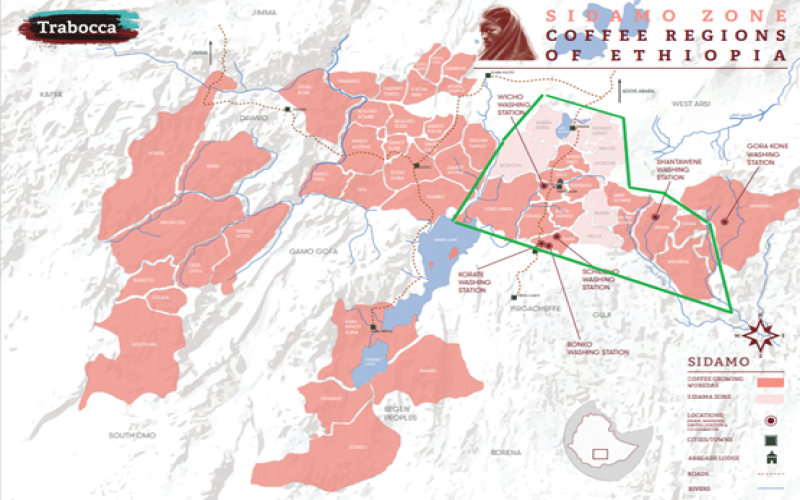
Sidamo is an important specialty coffee region in southern Ethiopia, spanning the highlands on the southern shore of Lake Awasa in the East African Rift Valley, and is known for its intense flavors, full body, and bright acidity. After Guji became independent from Sidamo, the Huakui coffee beans from the Hambela sub-region quickly rose to fame. The 2024 new-crop Huakui 8.0 continues the floral notes, jackfruit, dried fruit, apricot, and juicy character, with a prominent fermented sweetness. Front Street Coffee's two Sidamo natural beans—Arsi and Huakui 8.0—each deliver impressive expressions of fruity sweetness, juiciness, and tropical fruit notes. This article explains the regional background, processing methods, brewing parameters, and flavor comparison in detail. [more…]
Ethiopia Sidamo Huakui Coffee Bean Origin Flavor Analysis and Australian White SOE Preparation Method
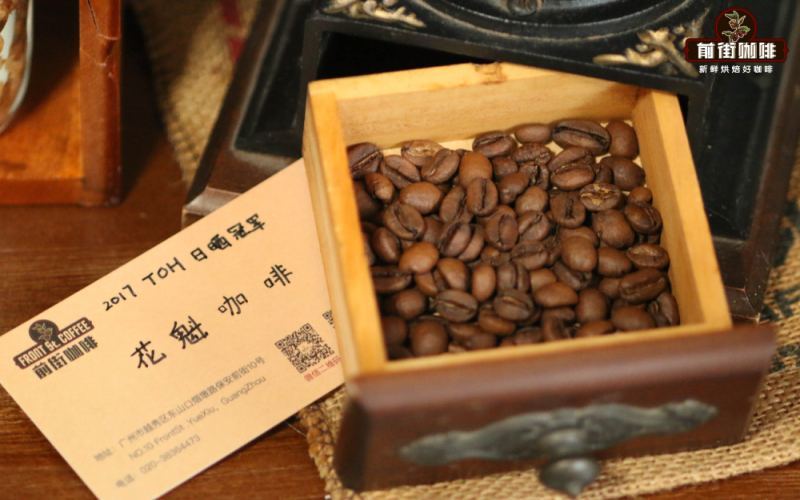
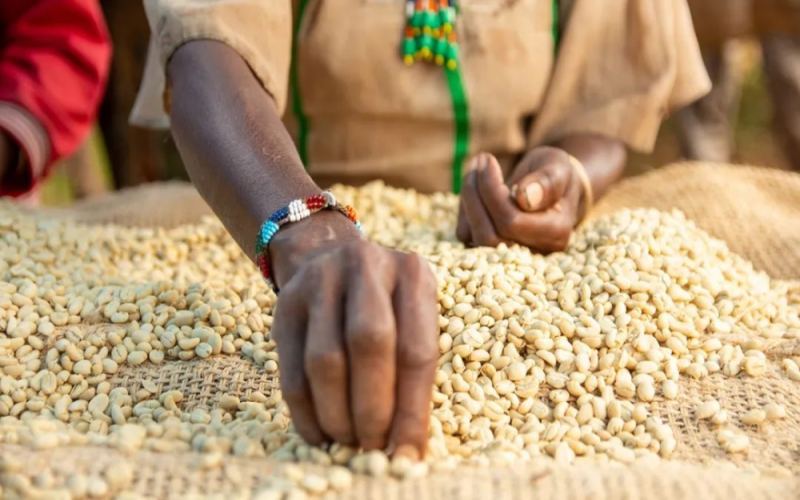
Sidamo Huakui is one of the most recognizable coffees among Ethiopian heirloom varieties, known for its bold aroma and high sweetness, and it once took first place in the natural group cupping of the 2017 harvest. It uses only fully red cherries and adopts slow drying on African raised beds with long low-temperature fermentation. In its wet aroma, winey and floral notes intertwine, and as a pour-over it tastes like a cup of strawberry fruit tea. This article will outline Huakui's origin background, grading standards, and the differences between washed and natural processing, and share how Front Street Coffee uses Huakui 8.0 to make an SOE flat white with a small cup volume, thin milk foam, and a ristretto base, taking you from the source to the cup for a complete understanding of this bean. [more…]
Sidamo Flower Queen Coffee Bean Grade Analysis: Guji and West Arsi Region Pour-Over Flavor and Brewing Parameters
In Ethiopia, besides Yirgacheffe, the Sidamo region has also attracted much attention in the specialty coffee circle in recent years. In this article, Front Street Coffee sorts out the terroir conditions and processing methods of the Sidamo region, and focuses on the Guji Hambela Haru series and West Arsi coffee beans. From the origin of the 2017 TOH champion Haru to the flavor performance of Haru 8.0, and then to the G1 grade natural processing of Arsi, it also discloses the roasting curves and V60 brewing recipes for both beans, helping coffee lovers fully understand the flavor levels and brewing approaches of these two Sidamo coffees. [more…]
Flavor Analysis of Ethiopia Sidamo Hambela Region: The Origins and Version Evolution of Sun-Dried Flower Queen Coffee Beans
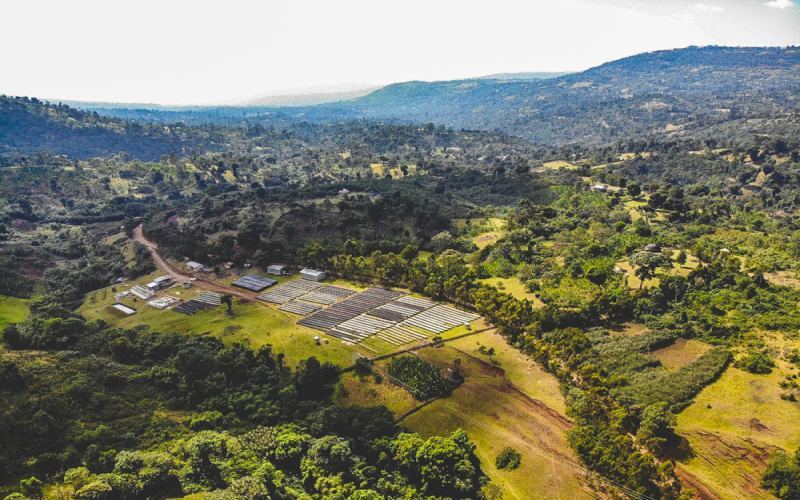
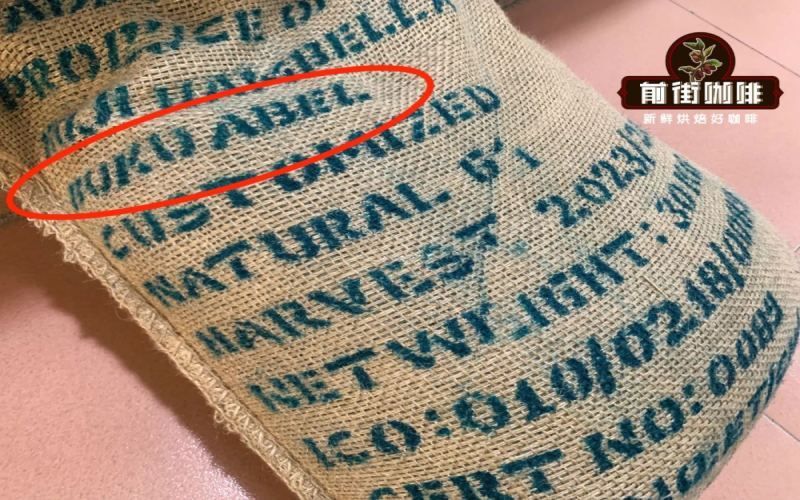
Since its introduction in 2017, Geisha coffee beans have remained popular, but many people are still unclear about the origin of its name and its producing region background. Starting from the terroir conditions of Ethiopia's Sidamo and Guji regions, this article sorts out the administrative affiliation and geographical characteristics of the Hambela sub-region, explains how the champion batch of the 2017 TOH green bean competition came to be named Geisha, and clarifies that only the natural-process batch from the Buku Abel processing station deserves this title. It also compiles the roasting parameters, cupping flavors, and brewing suggestions for Front Street Coffee Geisha 8.0, and reviews the flavor differences among Geisha versions over the years and the reasons behind them. [more…]
How to brew Ethiopian Sidamo Huakui coffee? Floral aroma and flavor analysis of the new-crop sun-dried Huakui
From a small lot in Ethiopia's Guji region to a TOH cupping champion, and then to a legend that defeated Geisha, how did Huakui coffee earn its place in memory? In this article, Front Street Coffee takes you through Huakui's origins and rise to fame, clarifies the story behind the X.0 series, and explains that only the natural-process beans from the Buku Abel processing station can be called Huakui. We will also share the green bean characteristics and pour-over recipe for Front Street Huakui 8.0: V60 dripper, 90-91°C water temperature, 15g coffee, 1:15 coffee-to-water ratio, medium-fine grind, three-stage extraction. Finally, we present the complete flavor profile of floral notes, berries, citrus, plum, mango, honey, and a black tea finish. [more…]
Can Huakui 8.0 Handle SOE? A Complete Practical Analysis from Extraction Parameters to Roast Profiles
The recently launched Ethiopian Huakui 8.0 from Front Street Coffee has become a daily staple for many coffee lovers thanks to its full fermented fruity aroma and the rich sweetness characteristic of natural-process beans, and it has also tempted players with home espresso machines to try their hand at recreating a cup of Huakui SOE latte or Americano. However, after many people directly applied single-origin beans to espresso extraction, they ran into disastrous results such as uncontrolled flow rate and sharp acidity. Is the problem with the equipment or the operation? Through repeated adjustments to grind size, dose, and liquid yield, and by trying two entirely new roasting curves, Front Street finally found the balance point that takes into account both the fruity aroma of the origin and the rich body of espresso. This article will present this exploration process in full, offering practical ideas for friends who love high-sweetness espresso. [more…]

Should Cold Brew Coffee Include a Bloom? Experimental Comparison and Principle Analysis of Cold Immersion vs. Hot Water Pre-infusion
Cold brew coffee has always been made by steeping at low temperatures throughout, but if you first bloom the coffee grounds with hot water before steeping, will the final product taste better? Front Street conducted a controlled experiment using Sidamo Huakui 8.0: aside from the water temperature treatment, the two pots of cold brew had completely identical parameters—one was mixed directly with room-temperature water and refrigerated, while the other was first bloomed with 92°C hot water for 30 seconds before room-temperature water was added. After 8 hours, filtering and tasting revealed that the two had similar flavor directions, but the bloomed version had a higher concentration. The article then explains that the real source of this difference is not the blooming action itself, but the hot water and parameter changes introduced to accomplish the blooming, and, combined with the principle of degassing during blooming in pour-over brewing, explains its applicability in the cold brew scenario. [more…]
Ethiopia Sidamo Flower Queen Pour-Over Guide: A Full Analysis of Water Temperature, Coffee-to-Water Ratio, and Brewing Techniques
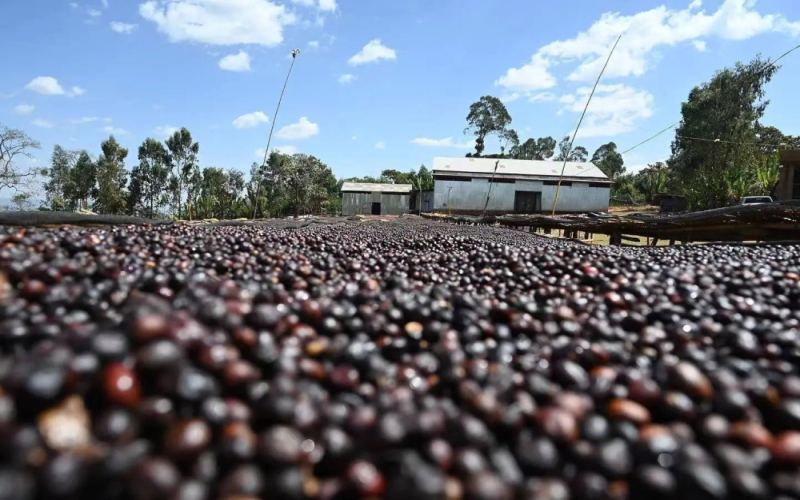
Sidamo is a high-altitude specialty coffee region in southern Ethiopia, long cherished by coffee lovers for its rich fruity notes and elegant floral aromas. The specialty lots on Front Street Coffee's bean list, such as Huakui 8.0, Santa Vini, and Aro, all come from this region. This article begins with Sidamo's geographical environment, variety resources, and historical evolution, then focuses on analyzing practical parameters for Huakui pour-over, including dripper selection, water temperature range, grinding setting judgment, coffee-to-water ratio, and the three-stage pouring technique. Whether you are a beginner just getting into pour-over or an experienced player looking to refine your technique, you will find actionable operational references here. [more…]
The Origin of the Name "Huakui" Coffee and Its Connection to Geisha: From TOH Champion to the Evolution of Huakui 8.0
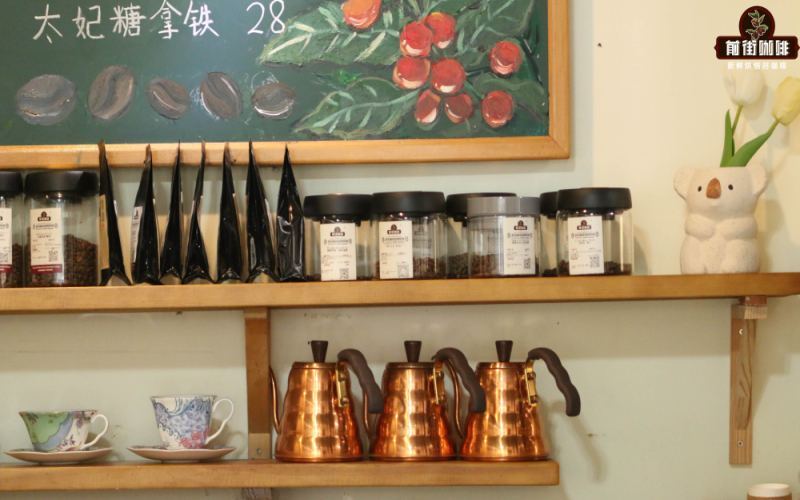
The name Hua Kui coffee beans and Geisha coffee beans both originate from the Japanese term for performers of song and dance. What exactly is the connection between the two? In 2017, a natural process lot from the Buku Abel washing station in Ethiopia won the TOH green bean competition with its intense strawberry and creamy aroma. After being introduced to China, it was given the name "Hua Kui" due to its outstanding flavor. Since then, the Hua Kui series has evolved from 2.0 all the way to 6.0 and even 8.0, with its origin locked to the Hambela region and continuously introduced by the Hongshun green bean merchant. This article will sort out the naming origins of Hua Kui coffee, its entanglement with Geisha, the variety and flavor differences across each generation, and share Front Street Coffee's roasting and brewing insights. [more…]
Analysis of the Africa Harvest Season Flavor Competition TOH: How did Huakui Coffee win the championship in one fell swoop?
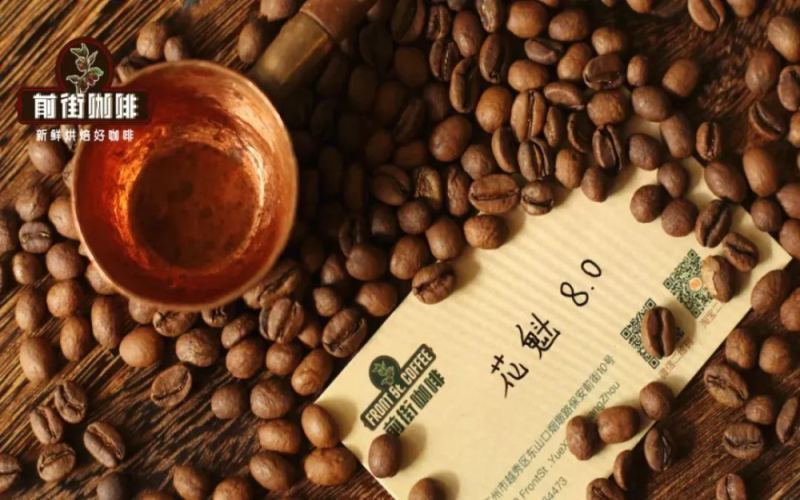
Ethiopia, as Africa's largest coffee-producing country and the birthplace of coffee, is renowned worldwide for its coffee's floral and citrus notes, thanks to its exceptional natural conditions. When it comes to the representative of Ethiopian natural-process beans, many people first think of "Floral Queen." This coffee, from the Buku Abel processing station in the Guji Hambela region, rose to fame after winning the 2017 TOH green bean competition. What exactly is the TOH competition? How does it differ from the COE Cup of Excellence? How does the African Fine Coffees Association (AFCA) organize this grand event? This article will give you a comprehensive understanding of the TOH Harvest Season Flavor Competition—its origins and development—as well as the rise to fame of Floral Queen coffee. It will also introduce the flavor profile of Floral Queen 8.0, currently available at Front Street Coffee. [more…]
Does Huakui coffee bean belong to Arabica? A detailed explanation of Hambela natural flavor and cold brew method
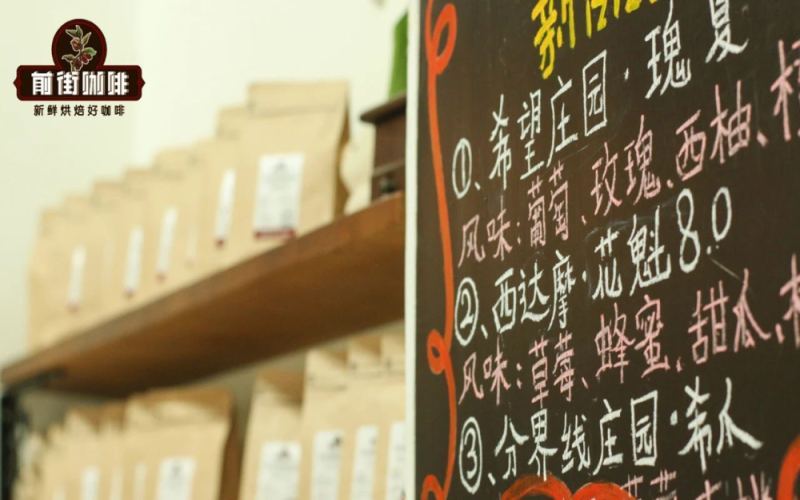
Huakui is an Ethiopian natural coffee that has attracted much attention in recent years, known for its rich floral and fruity aromas. Is it actually an Arabica? And what is the regional connection between Sidamo, Guji, and Hambela? This article will sort out Huakui's variety classification, natural processing characteristics, and regional background, and share the specific parameters and operational details of Front Street Coffee's cold brew made with Huakui 8.0, helping coffee lovers easily recreate a cup of full-flavored cold brew Huakui in their own kitchen. [more…]
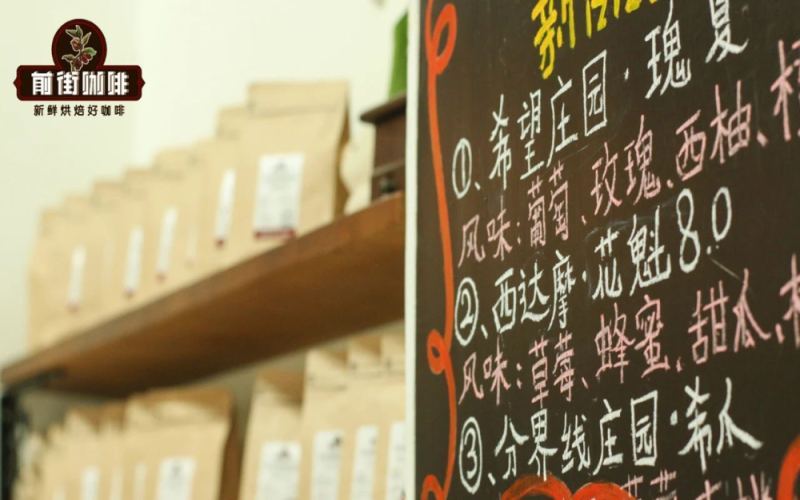
The Origin of the Name Hualui Coffee Beans and an Analysis of Differences Between Versions: Can Hualui Be Used for Espresso and Pour-Over Parameter Sharing
Huakui coffee beans are an Ethiopian specialty bean that has attracted much attention in recent years. From winning the TOH competition to appearing on Luckin Coffee's menu, what story lies behind its name? What do the numbers after Huakui represent? From the perspective of Front Street Coffee, this article sorts out Huakui's producing region background and naming logic, compares the flavor differences among Huakui 4.0, 5.0, 6.0, 7.0, 8.0 and other versions, and answers whether Huakui can be used to make espresso as well as how to brew a good cup by pour-over, providing coffee lovers with a complete guide to Huakui knowledge. [more…]
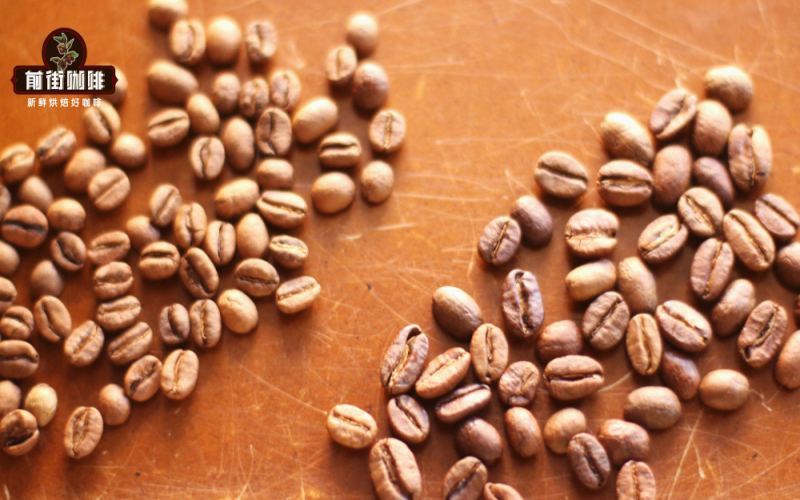
A Comprehensive Analysis of Ethiopian Sidamo Flower Queen Coffee Beans: Flavor Differences from Geisha Variety and the Grading System
Huakui and Geisha, two names that ring loudly in the specialty coffee world, are often lumped together. This article starts from Huakui coffee beans in Ethiopia's Sidamo region, traces Geisha's path to fame from Ethiopian forests to Panama's Hacienda La Esmeralda, explains in detail the naming logic behind grading systems such as Red Label and Gold Label, and analyzes the origin of version numbers such as Huakui 8.0. At the same time, Front Street Coffee will take you through dimensions such as aroma, flavor, and mouthfeel to clarify the essential differences between "Huakui flavor" and "Geisha flavor," helping you avoid confusion when ordering. [more…]
How to Choose SOE Coffee Beans? Single-Origin Espresso Flavor Characteristics and a Practical Reference for Huakui Extraction Coffee-to-Water Ratio
Espresso has always been known for its intense, full-bodied flavor, and the emergence of SOE has injected entirely new possibilities into this field. Starting from the definition of SOE, this article sorts out its differences from single-origin beans, blend beans, and pour-over beans, explains the logic behind the relatively high pricing of SOE coffee beans, and recommends several Front Street Coffee beans that are capable of both pour-over and espresso extraction. The article also provides in detail the complete parameters and operating process for making SOE with Front Street Coffee Huakui 8.0, including key points such as extracting 40 grams of liquid from 20 grams of powder, a powder-to-liquid ratio of 1:2, and controlling the time between 26 and 32 seconds, making it a useful reference for enthusiasts who want to recreate a cup of fruity espresso at home. [more…]
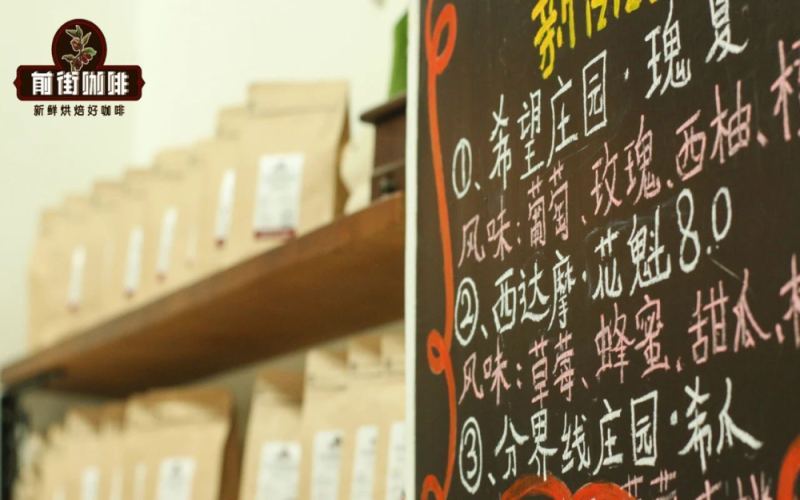
A Complete Guide to Roasting Ethiopian Huakui Coffee: How to Adjust Roast Profiles and Brewing Parameters
With its intense tropical fruit notes and high value for money, Hualei has become a daily staple for many coffee lovers. But do you know why this bean gets a new "version number" every year? From the sun-dried G1 of the Hambela region, to the meticulous management of the Buku Abel processing station, and the batch flavors that change year by year, the story of Hualei is far richer than you might imagine. In this article, Front Street will walk you through Hualei's origin background and flavor evolution, and share in detail the adjustment approach for the roasting curve along with pour-over brewing suggestions, to help you better present the unique charm of this Ethiopian star bean. [more…]
Comparing the Flavors of Huakui and Geisha: Taste Differences and Brewing Tips for Ethiopian Natural Heirloom and Panama's Famous Variety
Huakui and Geisha are often compared, as both attract attention for their floral aromas and fruity acidity. Front Street Coffee's Huakui coffee beans come from the Buku Abel processing station in Hambela, Guji region, Ethiopia, and are sun-dried, presenting juicy notes of peach, passion fruit, and mango; Geisha is a variety originating from Ethiopia's Gesha Mountain and later gaining fame in Panama, known for its white floral notes, citrus acidity, and tea-like sweet finish. This article will sort out what exactly differs between Huakui and Geisha from aspects such as origin background, varietal differences, processing method influence, flavor cupping, and brewing parameters, and provide the commonly used pour-over recommendations from Front Street stores, helping you more clearly choose the cup that suits your taste. [more…]
Drip bag coffee brand recommendations | Why is the shelf life of drip bag coffee so short? How to brew a delicious Yirgacheffe with drip bag coffee?
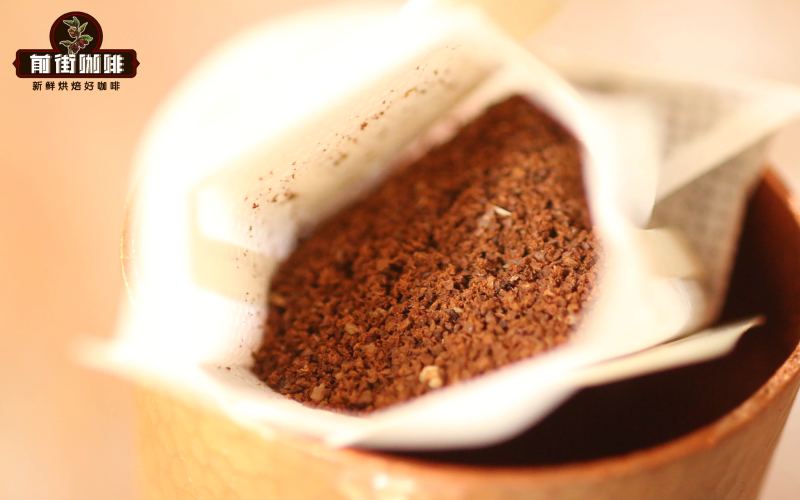
Recently, many people have come to the front of Front Street Coffee (FrontStreet Coffee) asking if there is drip bag coffee for sale. Front Street usually replies, "The store doesn't have drip bag coffee in stock. If you need it, it has to be made on the spot!" Many customers are very puzzled—why would a coffee shop [more…]

A Beginner's Guide to Drip Coffee Bags: Origin Story, Brewing Techniques, and Flavor-Boosting Secrets
For office workers who are short on time but refuse to settle for a mediocre cup of coffee, drip coffee bags are almost the ideal solution. They require no complicated equipment—just hot water and a cup are enough to complete the extraction—yet many people find in practice that the coffee they brew always turns out weak and lacking in aroma. This article will start with the origins of drip coffee bags, explain why they are called "hanging ear," analyze the reasons their flavor tends to be thin, and share the water temperature, coffee-to-water ratio, and staged pouring techniques that Front Street Coffee has summarized through actual brewing. In addition, it compiles three classic coffee beans suitable for making drip coffee bags, covering Yirgacheffe, Brazil Queen's Estate, and Sidamo Flower Kui, helping you easily obtain a richly layered cup of black coffee even at the office. [more…]